


Have you ever wondered how a chocolate bar is made before it reaches the store shelf? Most people know chocolate starts with cacao beans, but very few have seen the entire journey from fresh cacao pod to finished chocolate bar.Making chocolate from scratch is a fascinating process that combines science, patience, and craftsmanship. While it takes several days to complete, the reward is an intensely rich and flavorful chocolate bar unlike anything you can buy in a supermarket.In this guide, you’ll learn the traditional chocolate-making process, including fermenting cacao beans, roasting, grinding, refining, and tempering your own homemade dark chocolate.
Jump to Recipe Print Recipe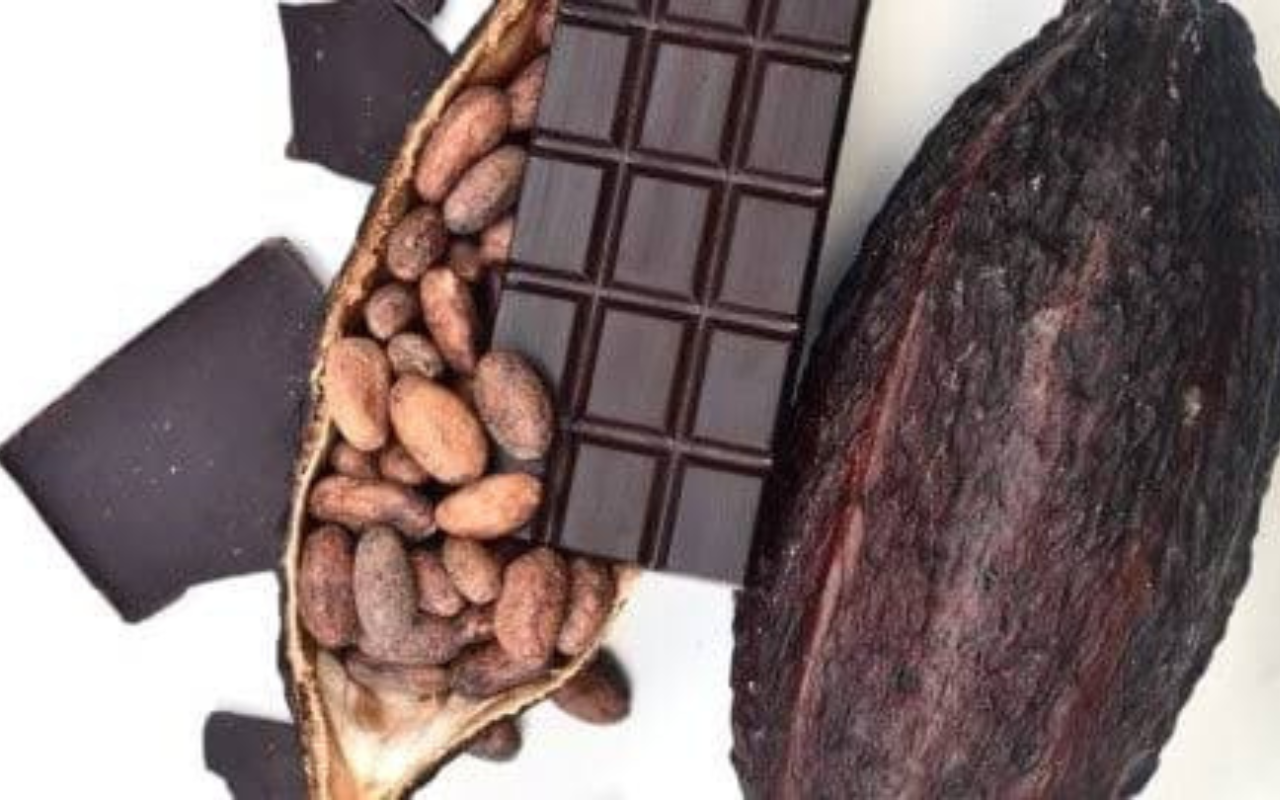
How to Make Chocolate From Scratch Using Fresh Cacao Pods
Learn how to make chocolate from scratch using fresh cacao pods. Follow this step-by-step homemade dark chocolate recipe from fermentation to tempering.
Ingredients
Method
Step 1: Harvest the Cacao Beans
- Open the cacao pods and remove the beans along with the surrounding white fruit pulp.
- The pulp has a naturally sweet tropical flavor, but the beans inside are what will eventually become chocolate.
- Collect enough beans to fill your fermentation container.
Step 2: Ferment the Beans
- Line a wooden bucket or fermentation box with banana leaves.
- Add the fresh cacao beans and cover them completely.
- Allow the beans to ferment for 5 to 7 days.
- Fermentation is essential because raw cacao beans do not taste like chocolate. This process develops the complex chocolate flavors that make chocolate so delicious.
Step 3: Check Fermentation
- Cut open a bean after fermentation.
- A properly fermented bean should appear brown inside rather than purple.
- If the interior remains purple, additional fermentation may be needed.
Step 4: Dry the Beans
- Spread the fermented beans onto dehydrator trays.
- Dry them until most of the moisture has been removed.
- Traditionally, beans are sun-dried, but a dehydrator works well for home production.
- The beans should feel dry and produce a crisp sound when handled.
Step 5: Sort the Beans
- Carefully inspect the dried beans.
- Remove any damaged, moldy, or poor-quality beans before roasting.
- Quality sorting improves the flavor of the finished chocolate.
Step 6: Roast the Beans
- Place the dried beans into a roaster.
- Roast until fragrant and chocolate aromas begin to develop.
- Allow the beans to cool completely before moving to the next step.
Step 7: Remove the Shells
- Crack the roasted beans and separate the shells from the cacao nibs.
- The nibs are the edible interior and the foundation of all chocolate products.
- Discard the shells.
Step 8: Make Chocolate Liquor
- Place the cacao nibs into a high-powered grinder.
- Blend until they release their natural cocoa butter and transform into a smooth paste.
- This paste is known as chocolate liquor.
Step 9: Prepare the Sugar
- Blend granulated sugar into a fine powder.
- Creating ultra-fine sugar helps achieve a smoother chocolate texture.
Step 10: Refine the Chocolate
- Add the chocolate liquor to a stone grinder.
- Mix in the powdered sugar and cocoa butter.
- Allow the grinder to run continuously for approximately 72 hours.
- This long refining process creates silky-smooth chocolate with a professional texture.
Step 11: Temper the Chocolate
- Pour the chocolate onto a cool marble surface.
- Lower the temperature to approximately 80–82°F (27–28°C).
- Then gently reheat it to 88–90°F (31–32°C).
- Tempering creates a glossy appearance and the classic chocolate snap.
Step 12: Mold the Chocolate
- Pour the tempered chocolate into molds.
- Tap the molds gently to release trapped air bubbles.
- Allow the chocolate to set at room temperature for 20–30 minutes.
- Once firm, remove the bars from the molds.
Notes
Making chocolate entirely from scratch is one of the most rewarding food projects you can undertake. Watching fresh cacao beans transform through fermentation, drying, roasting, refining, and tempering provides a deeper appreciation for every chocolate bar you enjoy. While the process requires patience and specialized equipment, the final result is extraordinary. Rich, complex, and intensely chocolatey, homemade chocolate offers a flavor experience that truly showcases the incredible journey from cacao pod to chocolate bar.